
7 Highly Effective Strategies for Muscle Health.

A Glasgow Personal Trainers Thoughts…
Intro
The latest health and fitness research strongly indicates that muscle mass is the biggest predictor of longevity in individuals. Lifespan studies have found that having more muscle will give you up to 9 years more life. Muscle mass will not only give you additional years of life it will increase the functional quality of your life, meaning those extra years will be spent more active and in better health.
When working with clients at my studio one of my missions is to increase their muscular fitness and health. Below I’ve listed 7 of the most effective strategies and approaches to maximising muscular health I use to advice my clients so they can live their fittest, healthiest life.

1. Develop a muscle-centric approach.
Many people have a fat-centric viewpoint when it comes to health and body composition, meaning they approach nutrition and exercise solely from the viewpoint of burning body fat. This fat-centric approach to health is understandable as we are currently living through an obesity epidemic. But having a fat-centric approach to training and eating will only yield short term success in losing body fat, long-term will lead to significant muscle loss, which will reduce fat burning capacity. Muscle is energy hungry, think of it as the furnace that burns through body fat and preventing body fat increases. Recent research following users of the weight loss drugs, who eat very little to lose fat have found on average 30% of total lost weight comes from muscle (see our weight loss drugs article for more info).
I recommend clients develop a muscle-centric approach to training and nutrition, meaning the focus of their training and nutrition should be to promote muscle growth and repair. My message is “work your muscles then feed your muscles”. Even if fat loss is your main goal, looking after your muscles will improve body fat levels, as more muscle means more ability to burn body fat and more ability to store energy in muscle rather than body fat. Even better, a muscle centric approach will make you stronger, fitter, injury free, more able to live a longer more active life

2. Stress your Muscles.
A great way to think of exercise is liken it to “playing with stress” and it is this stress exerted on the muscles that can lead to extraordinary changes as they gradually start to become stronger, more resilient, and more metabolically efficient.
How you manipulate the degrees of stress you apply to your muscles through exercise is important. Too much stress and the potential for injury through tears can occur, or so much discomfort that you cease to be able train them regularly. Too little stress and there will be no significant beneficial changes to the muscle. The degree to which you should stress your muscles will be dictated by your current level of fitness. Very muscularly fit people will need more stress for change in contrast to more sedentary people who need very little to feel improvements.
At a molecular level when we stress muscles through training, they send out signals at a cellular level like little solar flares indicating to our body to that they need to be prioritised, directing nutrients and growth factors to the area for growth and repair. Without these signals muscle growth cannot be promoted.
At the studio we help clients develop progressive strength and conditioning programmes to optimally stress their muscles to promote ideal muscle gains. Our programmes are completely tailored to our clients, accounting for many factors like for muscular balance, current fitness levels, sex, age, and goals. Get stressing your muscles!

3. Feed your muscles.
Once you’ve stressed your muscles, the next priority is feeding them and they have voracious appetite. The great news is when muscles have been stressed through exercises, the nutrients we eat in our food know exactly where to go to repair and grow muscle, its now just a matter of giving them the right food. The building blocks for muscles are amino acids, and we get amino acids from protein in our diet. Dietary protein is by far the most important food when it comes to repairing muscle. Aim to consume 1.6- 2 gram of protein for every kilogram of ideal body weight a day from wide variety of protein sources, with animals sources containing the most biologically available protein. Muscle can only grow and repair if we feed them after exercise do not miss that window of opportunity (for more info check out our protein article).
I like to understand the body in the context of how we evolved over hundreds of thousands of years. We all evolved from successful hunter gatherers. The hunt or search for food was where we stressed our muscles most, the most successful hunters got the food at the end of that exertion. When you train your muscles hard make sure you don’t wait too long to reward them with food to get the most of your training. Get in the habit of feeding your muscles.
At the Studio we work closely with our clients to help them get nutrition right for their goals. Above we laid out the importance of protein for gaining muscle but there’s much more to an optimal diet for muscle than just eating protein. We will help you design a diet that suits your tastes and lifestyle that delivers all the macro-nutrients, micro-nutrients and optional supplements for optimal muscle levels.

4. Stretch to boost muscle health.
Stretching is one of the most convenient types of exercise you can do that has profound effects on so many elements of muscle health. You don’t need to purchase a gym membership or any fancy equipment, all you need is just a little bit of knowledge and a few minutes set aside a day. Stretching is such a simple habit, and very few people do it, but has a powerful effect on muscles.
Here’s a few of the benefits of a regular stretching programme:
Sports Performance- If you take part in sports like tennis, football and golf increasing your flexibility can massively transform your biomechanics which will add even more layers to your sporting performance, while significantly reducing the risk of injury.
Muscular Rehabilitation- Stretching will iron out old muscle injuries, improving blood flow to the area for repair and ironing out old scar tissue that make fibres more pliable.
Posture Improvement- Poor posture often an imbalance between opposing muscles, which can lead to tighter o worked muscles in the short term and changes in the structure of the skeletal system long term. Stretching shortened muscles will help improve the alignment of the body reducing postural imbalances.
Blood vessel Health Enhancement- One of my favourite little know benefits of stretching is that it can make blood vessels of the stretched muscles more pliable and increase their ability to relax, reducing blood pressure and arteriosclerosis risk which can lead to heart attacks and strokes.
Just hold a stretch for 30-60 secs once a day and watch the quality of your targeted muscle improve.
At the studio we give all our clients full postural analysis, muscle flexibility assessments and if they do a sport we analyse the flexibility needs of the sport. We then use all this information to design the optimal stretching and flexibility programmes for our clients.

5. Grow Muscle in Your Sleep
You’ve stressed your muscles with the prefect workout, fed them with the ideal nutrients, it’s now time to create the perfect conditions to repair and grow your muscle. The ideal conditions for muscle growth and repair? A good night’s sleep.
A good night’s sleep, of around 7-9 hours, provides the ideal physiological state for optimal repair of muscles. Our body produces 70% of the growth hormone we create in our sleep, this growth hormone signals to your body to repair muscle, so if you don’t adequately sleep your potentially missing out on 70% of the benefit of your training. Additionally sleep increases blood flow to muscle delivering more nutrients, growth factors, and oxygen than when awake. Another powerful effect sleep has on muscle is an increase in the muscle building hormone testosterone. Testosterone speeds up the muscle building process, by switching on genes associated with muscle growth and causes muscle stem cells to multiply, while simultaneously blocking cortisol from destroying muscle. Maximise your sleep you to maximise your muscle growth.
For more info on sleeps effects on our health check out our blog article on sleep.
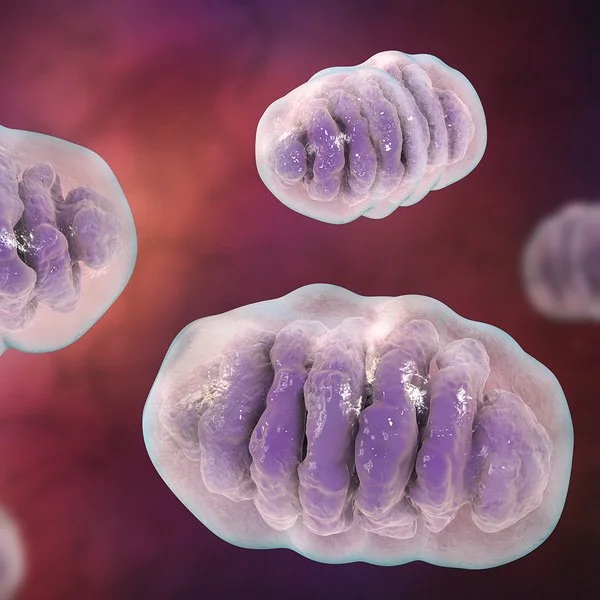
6. Look after your mitochondria for muscle longevity and optimal performance.
Mitochondria organelles are the cellular power stations what supply every cell in our bodies with chemical energy. We have over 100 trillion of them in our body, a single tiny heart cell, invisible to the human eye, has 5000 mitochondria, and a single miniscule muscle cell has 1000. I want to lay out the case that if you look after your mitochondria, you can expect high levels of muscle health throughout your life.
Mitochondrial dysfunction is akin to the power grid of a city going down, and the chaos the ensues after. If the mitochondria start to shut down in high energy demand organs like the heart, muscle and brain, those cells will not have the energy to function, potentially leading to long term irreversible conditions like Alzheimer’s in the brain, heart disease, and sarcopenia in the muscle (progressive age-related loss of muscle).
How do mitochondria start to malfunction? One potential cause that we have most control over is poor nutrition. Eating too much highly dense energy foods like sugar overwhelm mitochondria with too much workload. Eat these foods too often, in too greater quantities, they will start to buckle under the strain, pumping out too many free radicals that are a byproduct of cellular energy processing, that can damage the cells. When too much free radical damage occurs mitochondria will make the executive decision to shut themselves down to protect the body from free radical damage. Leaving the body with less ability to make and use energy for cells.
If the mitochondria start to die off in muscle cells we will end up with less viable muscle cells, which will result in not just a loss of strength but metabolic dysfunction leading to the loss of the ability to absorb glucose from the blood, a reduction to burn body fat, and a smaller pool of amino acids to replace cells.
How do we protect the mitochondria? Through good nutrition and exercise. Well trained muscles help improve the function and effectiveness of the mitochondria, while eating a diet low in highly processed carbohydrates and sugar will reduce the chances of them being overwhelmed. Interval training has been found to be particularly beneficial to maintain the health of mitochondria (see our interval training article), while for diet eating the right amount of high energy carbs and sugars will also help.

7. Sunlight doesn’t just grow plants, it grows muscles too.
Humans are basically protein building machines; our DNA is the instruction manual that tells our bodies how to fold specialised proteins like muscles and bone. Getting regular sunlight is critical to this process. When the sun rays hit our skin, we release the hormone like vitamin D. Once you seen Vitamin D bind with the DNA inside your cells to switch on the genes to build muscle and bone under an electron microscope there’s no going back. Switch on your muscle building genes by getting adequate sun every day, not an easy task in Glasgow, and remember the darker your skin the more exposure you need. If you can get an hour of good sunlight your well on your way to helping your muscle grow.
Last Words
I hope you can implement some all of these strategies into your life to boost your muscular health and fitness, I guarantee you if you do, you will feel life changing befits for many years to come.
Get in touch if you’re in Glasgow and would like professional help improving your muscular health.
Thank Martin